Teapots
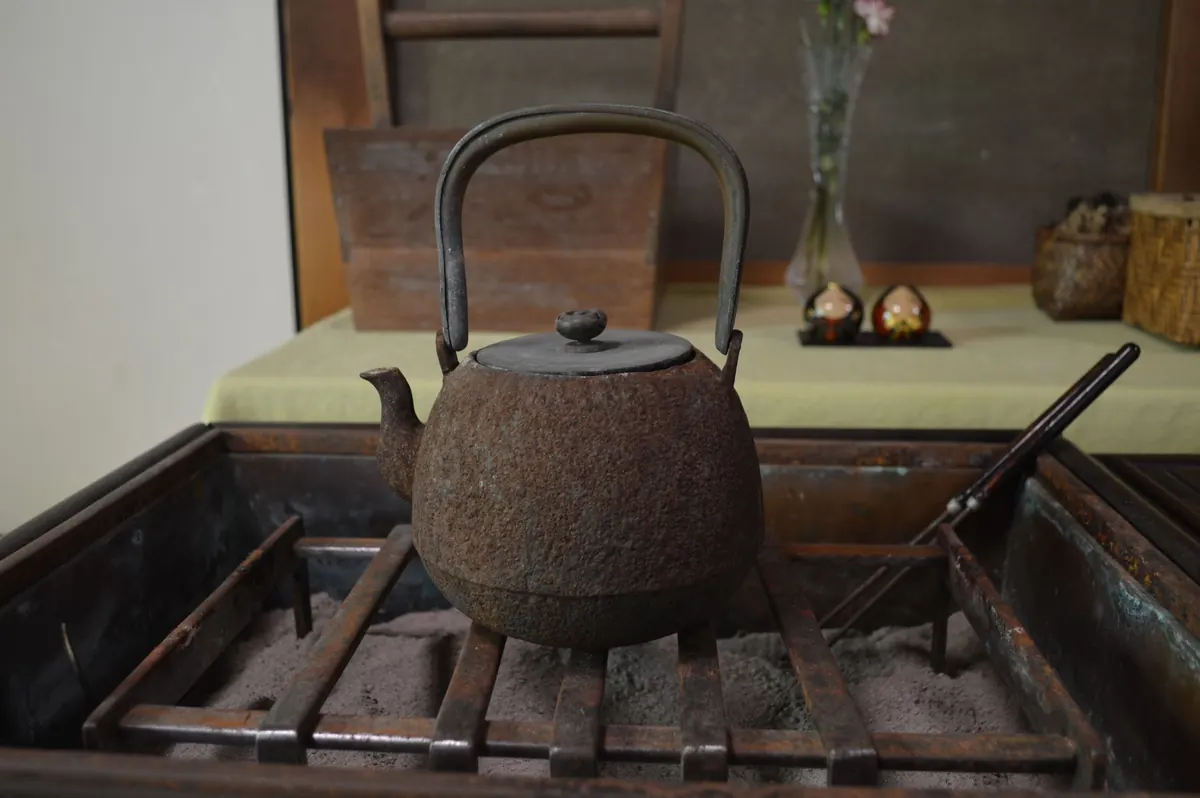
Cast Iron vs. Ceramic Teapots: Which One Keeps Tea Hot Longer?
A teapot only has to do one thing well: keep the second cup as good as the first. Pour from a thin porcelain pot and the tea can slide toward lukewarm before you refill. Lift a heavy iron pot twenty minutes later and the last cup still steams. That difference is real, and it's the reason so many tea drinkers end up owning both.
Heat retention isn't the whole decision, though. Weight, cleaning, and the tea you actually drink matter just as much. Here's how the two materials compare in practice.
The short answer on heat retention
Cast iron wins. Iron is dense, so a pot full of tea contains a lot of stored heat, and dense materials release that heat slowly. Ceramic is lighter and less conductive overall, which means it gives its warmth up to the air faster. Thin porcelain is the worst offender in this respect; thick stoneware narrows the gap considerably, and a sturdy ceramic pot with a tight lid can stay pleasantly hot for a respectable stretch. But with similar volumes side by side, the iron pot holds temperature longer. Every time.
Why cast iron keeps tea hot
Two things work in its favor. The first is thermal mass: a cast iron pot has far more material per unit of tea than a ceramic one, so each degree of cooling requires losing more energy. The second is wall thickness, which slows heat loss through the sides and lid. Cast iron lids are heavy, and their weight helps them seat firmly, so less warmth escapes as steam from the rim.
Preheat before you brew
This trick matters more than the material itself. Pour hot water into the pot, swirl it around, let it sit a minute, then empty it and brew. A cold pot steals heat from your water; a warmed one doesn't. With cast iron, preheating is close to essential because of the mass you're trying to bring up to temperature. Do the same with ceramic for a noticeable improvement.
Size and lid fit
A smaller volume with a taller, narrower shape holds heat better than a wide shallow one, because there's less surface area exposed to cool air. Check the lid before buying. If it rocks or sits loosely, heat will pour out of the gap no matter what the pot is made of.
Where ceramic catches up
"Ceramic" covers a wide range. Porcelain is fine, hard, and light. Stoneware is thicker and heavier, and a good stoneware pot holds heat nearly as well as iron for the first fifteen or twenty minutes. Unglazed clay, the kind used for traditional Chinese brewing, retains heat well and gradually absorbs the character of the teas you brew in it — which is a feature if you drink one tea often and a nuisance if you don't.
Ceramic also has practical advantages that have nothing to do with temperature. It goes into the microwave if you want to reheat a mug's worth. It won't rust. It doesn't react with tea, so delicate flavors come through unaltered.
Weight and daily handling
A full cast iron pot is heavy, and pouring one-handed takes some wrist strength. Over a keyboard, a notebook, or a stack of mail, that's a genuine risk. Ceramic is dramatically lighter and easier to pour accurately, which matters if you brew several pots a day or have any hand or wrist discomfort. If you've never handled a full iron pot, lift one in a shop before ordering online.
Care and maintenance
Neither material is difficult, but they fail in different ways. Cast iron rusts; ceramic chips and stains. A few habits keep both in shape:
- Empty the pot when you're done. Leaving wet leaves sitting overnight is the fastest route to a stained interior and a lingering stale taste.
- Rinse with warm water and a soft sponge. Mild soap is fine on glazed ceramic and enameled iron interiors; skip it on unglazed clay, which absorbs it.
- Dry cast iron immediately, inside and out, including the rim and under the lid, where rust starts first.
- Keep both out of the dishwasher unless the maker explicitly says otherwise. Detergent dulls glaze and strips the finish on iron.
- Avoid thermal shock. Don't pour boiling water into a cold iron pot, and don't set a hot ceramic pot on a cold stone counter or plunge it into cold water.
- Lift tannin stains inside ceramic with a paste of baking soda and water. On enameled iron, use a soft sponge — never metal scouring pads.
- Don't use an enameled cast iron teapot on the stove unless the manufacturer says it's designed for it. Most are brewing vessels, not kettles.
Rule of thumb: if the pot came with a stainless steel infuser basket and a painted exterior, it's meant for brewing only.
Which teas suit which pot
Heat retention isn't automatically an advantage. Some teas want it; others are hurt by it.
Cast iron is a natural fit for black teas, pu-erh, roasted oolongs, and spiced chai — full-bodied teas that taste good hot and hold up over a long session. If you sip from the same pot for an hour, iron keeps it drinkable.
Ceramic suits green, white, and yellow teas, and delicate high-mountain oolongs, where you're chasing subtle aromatics. Very hot water and long steeping can flatten those flavors, and some drinkers notice a metallic edge when delicate teas sit in iron, particularly in uncoated pots. Ceramic is also the better choice for gongfu-style brewing, where you make many small, quick infusions and heat retention barely matters.
One note if you're choosing uncoated cast iron: iron can leach into tea, and the tannins in strong brews react with it. If you have a medical reason to watch your iron intake, ask your doctor before making it your daily pot.
How to decide in one minute
Ask yourself how long a pot sits on your desk. Under twenty minutes, and ceramic — ideally thick stoneware — will do everything you need at half the weight. If you nurse a pot for an hour or more, or you drink mostly black tea and pu-erh, cast iron earns its place. If you drink delicate greens, ceramic no matter what. And if your wrists complain, that settles it too.
The honest answer is that most tea drinkers end up with a heavy iron pot for cold mornings and a light ceramic one for everything else.
Photo: SHIMADA MASAKI / Pexels
Related Articles